
Tired of Daily Diabetes Shots? This New Once-Weekly Treatment May Change How Type 2 Diabetes Is Managed
Less frequent injections. Better blood sugar control. Weight management support.
For many people living with Type 2 diabetes, managing blood sugar means daily injections, frequent glucose monitoring, and constant concerns about hypoglycemia and weight gain. These challenges can make travel, work, and everyday life more complicated.
Now, there’s a new treatment option.
Kyinsu (Insulin Icodec and Semaglutide Injection) is the world’s first once-weekly fixed-ratio combination of a long-acting basal insulin and a GLP-1 receptor agonist. Designed to simplify diabetes management, it offers effective blood sugar control with the convenience of a single weekly injection.
In addition to helping maintain stable blood glucose throughout the day, the therapy also supports weight management and significantly reduces the risk of hypoglycemia compared with traditional insulin therapy.
On July 15, Beijing United Family Hospital officially introduced Kyinsu, and the next day, endocrinologists administered the first prescription in Beijing.
The first patient was a 32-year-old woman with Type 2 diabetes and hyperlipidemia. Despite lifestyle modifications and regular metformin therapy, her blood glucose remained above target. Given her elevated cardiovascular risk, her endocrinologist recommended this drug to improve glucose control while supporting weight loss and providing additional cardiovascular benefits.
How Does This “Two-in-One” Weekly Injection Work?
Kyinsu combines two complementary medications in a single pre-filled injection pen, allowing them to work together to help control blood sugar throughout the day.
1
Insulin Icodec (Long-Acting Basal Insulin)
Think of this as your body’s 24-hour blood sugar stabilizer. It continuously helps regulate fasting and baseline blood glucose levels.
2
Semaglutide (GLP-1 Receptor Agonist)
Semaglutides are in the media a lot these days; they help your body release insulin only when blood sugar rises after meals. It also slows gastric emptying and increases feelings of fullness, helping to control post-meal glucose levels while supporting weight management.
Because both medications are pre-mixed in a fixed ratio, patients don’t need to calculate or mix doses themselves.
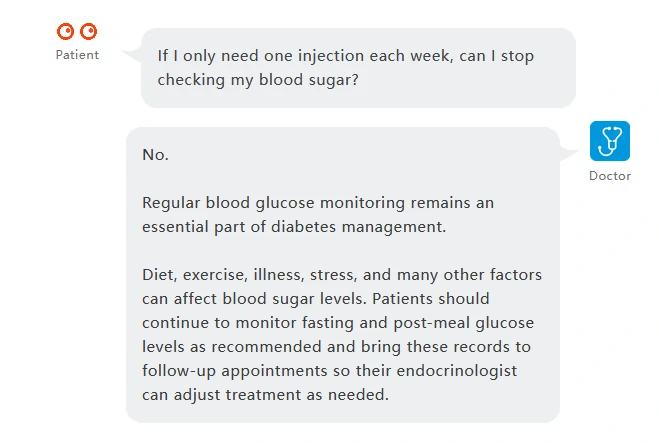
Who Is a Good Candidate?
Kyinsu is intended for adults with Type 2 diabetes after a comprehensive evaluation by an endocrinologist.
Your doctor will consider factors including:
- HbA1c (glycated hemoglobin)
- Fasting blood glucose
- Liver and kidney function
- Previous diabetes medications
- Weight management goals
- Whether simplifying treatment would be beneficial
This is a prescription medication and should never be purchased or self-administered without medical supervision.
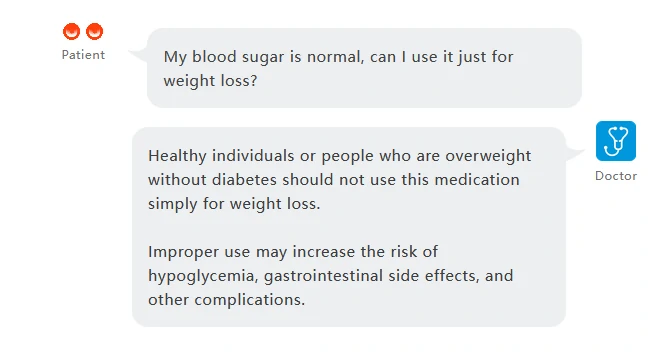
Who is this not suitable for:
People with Type 1 diabetes
Patients experiencing diabetic ketoacidosis
Women who are pregnant, breastfeeding, or planning pregnancy
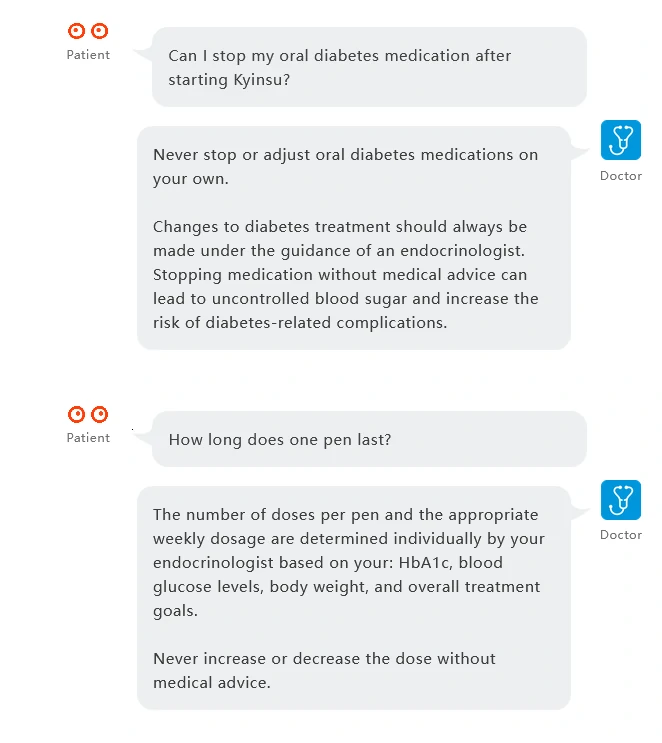
Common Side Effects and How to Manage Them
1.Low blood sugar
Symptoms may include: sweating, trembling, hunger, fatigue, or heart palpitations. If symptoms occur, follow your physician’s instructions immediately, which may include consuming glucose tablets or a fast-acting source of sugar. Regular glucose monitoring helps reduce the risk of recurrent hypoglycemia.
2.Nausea, bloating, or diarrhea
Some patients experience temporary gastrointestinal discomfort when starting treatment.
These symptoms typically improve as the body adjusts.
To minimize discomfort:
- Eat smaller, more frequent meals
- Drink plenty of water
- Avoid greasy or high-fat foods
Doctor’s Reminder
Every person living with diabetes has unique medical needs.
Whether a once-weekly combination therapy is appropriate depends on your blood glucose levels, medical history, organ function, treatment goals, and overall health. The decision should always be made together with an experienced endocrinologist.
If you’d like to learn whether this treatment may be appropriate for you, schedule a consultation with one of our endocrinology specialists.